
The Rise of Eco-Friendly Cleaning: What to Look for in a Green Service

In recent years, the demand for eco-friendly cleaning has skyrocketed as more households and businesses prioritize health and sustainability. Gone are the days when “green” products meant sacrificing effectiveness; today, innovations like non-toxic cleaning agents and services such as green carpet cleaners prove that cleanliness and environmental responsibility can go hand in hand. But with so many options claiming to be “natural” or “eco-conscious,” how do you separate genuine solutions from greenwashed gimmicks? This guide dives into the essentials—from deciphering labels to understanding the impact of non-toxic cleaning chemicals—to help you make informed choices for a safer, cleaner home.
Why Eco-Friendly Cleaning Matters: Beyond Just a Trend
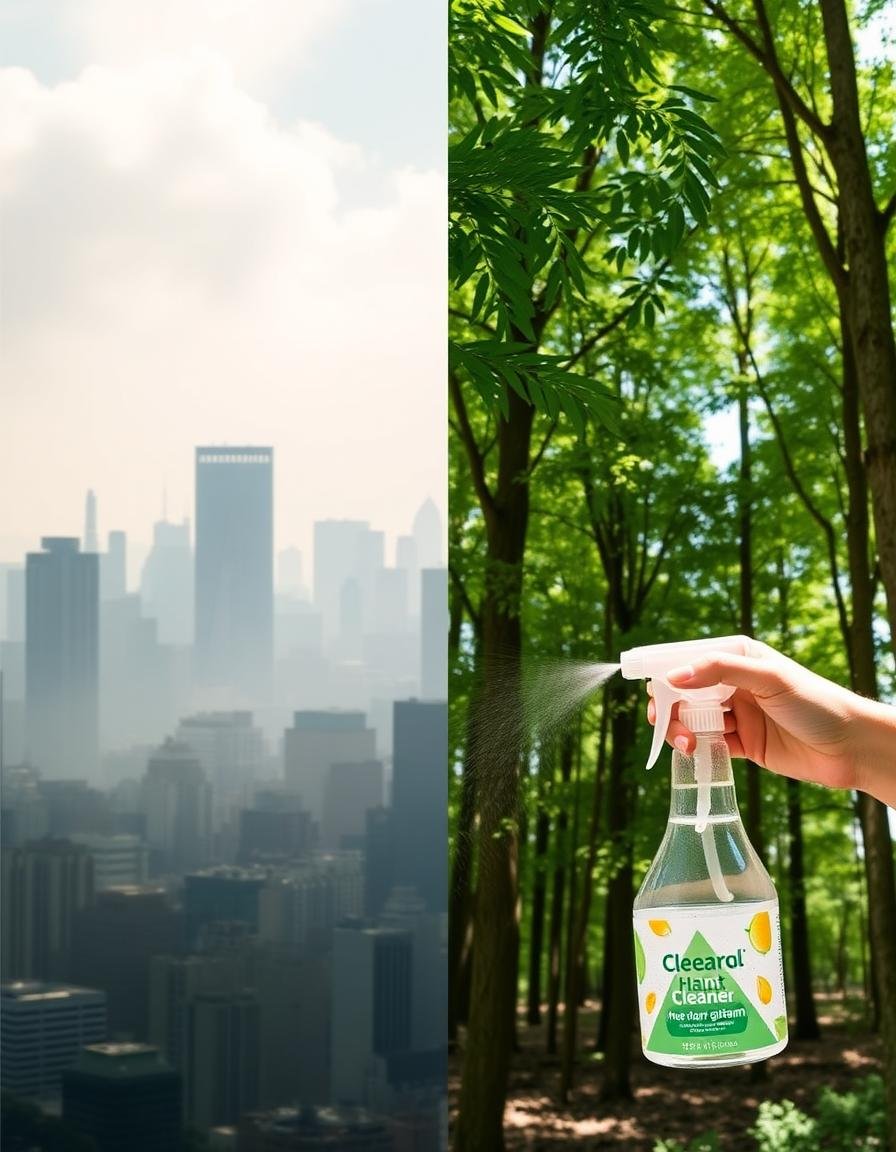
Imagine scrubbing your kitchen counter with a product that leaves behind a fresh lemony scent… and a cocktail of synthetic chemicals. Traditional cleaners often contain harsh ingredients like ammonia or chlorine, which can irritate skin, pollute waterways, and harm indoor air quality. In contrast, eco-friendly cleaning agents rely on plant-based surfactants and essential oils, offering a safer alternative for families and pets.
The shift toward green cleaning isn’t just about personal health—it’s a environmental imperative. For instance, phosphates in conventional detergents contribute to algal blooms in rivers, while microplastics in scrubbers persist in ecosystems for centuries. By choosing services that use natural floor cleaner solutions or non-toxic cleaning products, you’re reducing your ecological footprint. A 2021 study by the Environmental Working Group (EWG) found that households switching to green cleaners reduced their exposure to airborne toxins by 75%. Now that’s a breath of fresh air!
Key Ingredients to Look For (And Ones to Avoid)
Not all “green” labels are created equal. To spot truly non-toxic cleaning chemicals, start by scanning ingredient lists. Safe bets include:
-
Vinegar and citric acid (natural disinfectants)
-
Baking soda (gentle abrasive)
-
Castile soap (biodegradable surfactant)
Brands like Ecos cleaner exemplify this approach, using coconut-derived formulas free from parabens and dyes. On the flip side, steer clear of products containing:
-
Phthalates (linked to hormone disruption)
-
Triclosan (antibacterial agent that fosters resistant bacteria)
-
Synthetic fragrances (often hide undisclosed toxins)
For tough jobs like oven grime, opt for a natural oven cleaner made with baking soda and lemon juice instead of corrosive lye. Remember, transparency is key—reputable companies will disclose all ingredients upfront.
Certifications That Actually Mean Something

With terms like “natural” and “eco-safe” largely unregulated, certifications are your best ally. Look for:
-
EPA Safer Choice: Rigorous screening for human and environmental safety (EPA Safer Choice).
-
Green Seal: Tests for performance and sustainability (e.g., green carpet cleaners certified by GS-53 standards).
-
EWG Verified: Ensures no hidden toxins.
These labels take the guesswork out of choosing trustworthy products. For example, a natural floor cleaner bearing the Safer Choice seal has passed over 350 toxicity assessments.
Case Study: How Green Services Are Making a Difference
Consider Sparkling Green, a cleaning service in Portland that swapped chemical solvents for non-toxic cleaning agents like hydrogen peroxide and citrus oils. Within a year, they reported a 40% drop in client allergy complaints and saved 10,000 plastic bottles through refillable containers. Similarly, green carpet cleaners using steam and botanical extracts have revived stained upholstery without leaving toxic residues.
How to Vet a Green Cleaning Service
Ask these questions before hiring:
-
Do they use third-party certified products? (Look for Ecos cleaner or similar.)
-
Are their methods water-efficient? (Microfiber cloths > paper towels.)
-
Do they avoid synthetic fragrances? (Essential oils are a safer alternative.)
For DIY enthusiasts, a natural floor cleaner can be as simple as mixing vinegar, water, and a drop of tea tree oil.
The Future of Cleaning: Innovation Meets Sustainability
From non-toxic cleaning chemicals derived from food waste to robotic vacuums powered by solar energy, the industry is evolving rapidly. Brands are even developing compostable packaging and carbon-neutral delivery for eco-friendly cleaning agents.
Final Thoughts: Small Changes, Big Impact
Switching to eco-friendly cleaning isn’t about perfection—it’s about progress. Whether you hire a green carpet cleaner or whip up a natural oven cleaner at home, every choice counts. Ready to make the switch? Your health (and the planet) will thank you.


