The Art of the Entry: How to Design a Welcoming Front Space

Your home’s entryway is more than just a pass-through—it’s the opening act of your living space. A thoughtfully designed Home Welcoming Front Space sets the tone for the entire house, blending functionality with aesthetic appeal. Whether you’re aiming for a charming cottage hallway vibe or a sleek modern foyer, every detail matters. But how do you balance style and practicality, especially in tight areas like a skinny hallway? Let’s explore the art of crafting an inviting entrance that reflects your personality and makes guests feel instantly at home.
1. The Psychology of First Impressions: Why Your Entryway Matters
Ever walked into a home and immediately felt at ease—or oddly uneasy? That’s no accident. Studies in environmental psychology suggest that spaces influence emotions within seconds. Your entryway acts as a “visual handshake,” offering a subconscious preview of your home’s character. For example, cluttered drop zones can heighten stress, while a well-organized foyer design with intentional hallway furniture, like a slim console table, promotes calm.
Consider the “Apple Store effect”: clean lines, intuitive layouts, and purposeful decor guide behavior. Apply this principle by keeping essentials (keys, shoes) neatly stored and leaving room to breathe. Even in compact entrance way ideas, a single striking piece—like an entrance way mirror—can create the illusion of space while grounding the area.
2. Defining Your Style: From Modern Minimalism to Cozy Cottage Hallways
Your entryway should mirror your home’s overarching style. For a cottage hallway, lean into weathered wood, floral patterns, and vintage accents. Pair a distressed bench with woven baskets for a lived-in feel. Conversely, modern Home Entryway decor ideas thrive on simplicity: think monochromatic palettes, geometric shapes, and metallic finishes.
Not sure where to start? Take cues from your favorite room. If your living area is farmhouse-chic, extend that aesthetic to the entry with a barn door coat rack or a galvanized tray for mail. For eclectic homes, mix textures—a Moroccan rug, a mid-century mirror, and a potted fiddle-leaf fig. The key is cohesion, not matchy-matchy perfection.
3. Lighting the Way: Illumination Strategies for a Warm Welcome
Lighting is the unsung hero of foyer design. Harsh overhead lights can feel clinical, while layered lighting creates depth. Start with ambient sources like a pendant or chandelier. Add task lighting—sconces flanking a mirror or a lamp on a console table ornaments display. For drama, install LED strips under floating shelves.
In skinny hallway layouts, opt for wall-mounted fixtures to save floor space. A well-placed entrance way mirror can amplify natural light, making cramped areas feel airy. Pro tip: Use dimmers to adjust mood throughout the day.
4. Color and Texture: Setting the Tone Before You Step Inside
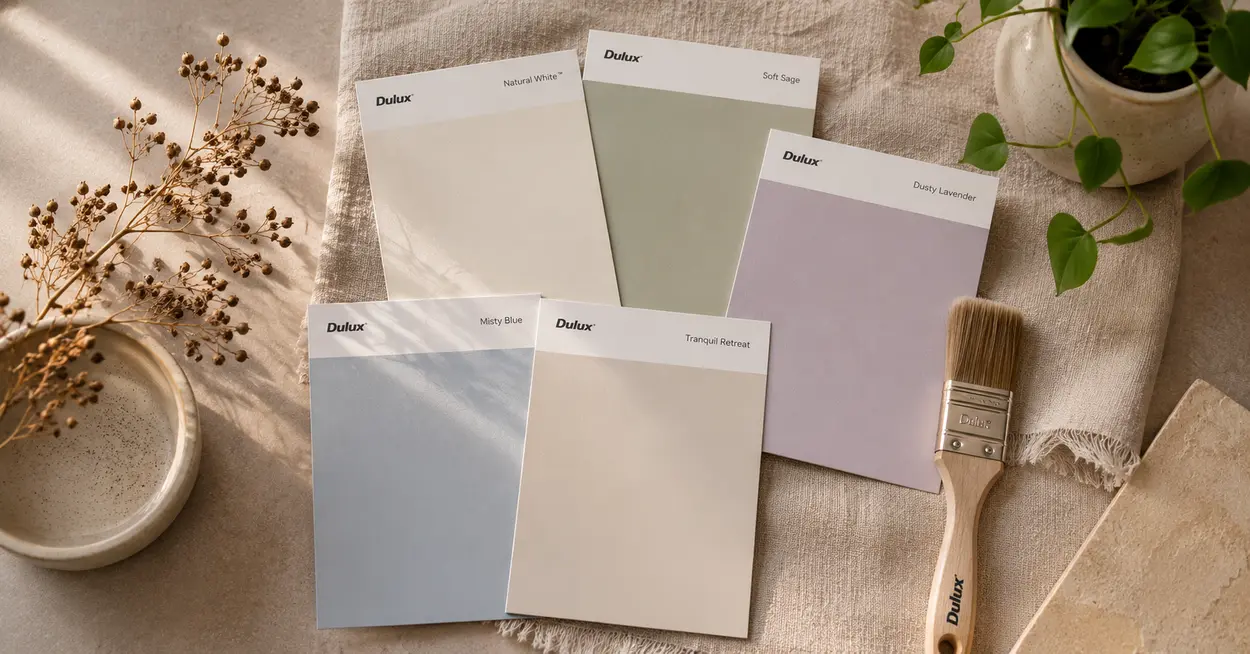
Color psychology plays a pivotal role here. Soft blues and greens evoke tranquility, while bold reds energize. In small entries, light hues expand space visually, but don’t shy from an accent wall or a vibrant door. Texture adds tactile interest: a chunky knit throw over a bench, a rattan basket, or a glossy entrance way mirror.
For ideas for the hallway, consider washable paint or wallpaper in high-traffic zones. Patterned tiles or a striped runner can direct the eye and mask dirt.
5. Hallway Furniture: Balancing Form and Function
Choose pieces that serve dual purposes. A console table ornaments display can also hide storage baskets underneath. In skinny hallway areas, opt for floating shelves or a demi-lune table that hugs the wall. For larger entries, a bench with shoe storage or a cabinet for seasonal items adds utility.
Scale matters: Oversized furniture dwarfs petite entries, while too-small pieces look lost. Measure twice!
6. The Magic of Mirrors: Reflecting Light and Space
An entrance way mirror isn’t just for last-minute lipstick checks—it’s a design powerhouse. Placed opposite a window, it bounces light around dark corners. In narrow foyer designs, a floor-length mirror leans into modernity while tricking the eye into perceiving width.
Frame styles communicate tone: Ornate gold for glam, distressed wood for rustic, or frameless for minimalism.
7. Overcoming Challenges: Solutions for Skinny Hallways
Skinny hallway woes? Go vertical! Tall artwork or vertical stripes draw the eye upward. Use slim profiles—a 10”-deep console table, wall-mounted hooks, and pendant lights. Mirrors and glass elements maintain sightlines. For ultra-tight spaces, a gallery wall distracts from the narrowness.
8. Seasonal Touches: Refreshing Your Foyer Design Year-Round
Rotate decor to keep your entry feeling fresh. Spring: pastel pillows and fresh blooms. Summer: nautical accents or a seashell bowl. Fall: warm textiles and mini gourds. Winter: evergreen garlands and twinkling lights. Store off-season items in labeled bins for easy swaps.
Conclusion
Your entryway is a canvas for creativity and hospitality. Whether you’re revamping a cottage hallway or optimizing a skinny hallway, thoughtful choices in lighting, color, and furniture transform mere square footage into a memorable first impression. Start small—swap out a rug, hang a mirror—and let your entry evolve into a space that whispers, “Welcome home.”