How to Create a Spa-Like Bathroom Without a Full Renovation

There’s something deeply appealing about the idea of stepping into your own bathroom and feeling like you’ve just walked into a five-star spa. Soft lighting, warm scents drifting through the air, plush towels waiting by the shower — it sounds dreamy, right? But for most homeowners, the reality is a bit different. You open the bathroom door and you’re greeted by flickering overhead bulbs, cluttered countertops, and a color scheme that hasn’t been updated since forever.
Here’s the thing, though: you don’t need a $20,000 renovation to fix that.
The wellness movement has completely changed how we think about our homes, and the bathroom sits right at the center of that shift. According to a 2024 peer-reviewed study published in Taylor & Francis, people are increasingly prioritizing spaces that support genuine rest, emotional balance, and everyday wellbeing — and the bathroom, one of the few truly private rooms in a home, has become the most natural place for that to happen.
What’s exciting is that the most effective spa-inspired upgrades have almost nothing to do with knocking down walls or replacing your entire shower. They come from thoughtful choices — a better light bulb here, a bamboo tray there, a calming paint color, a rainfall shower head that costs less than a dinner out. Small changes, layered together, completely change how a room feels.
In this guide, you’ll learn exactly how to create a spa-like bathroom without a full renovation — from affordable décor upgrades and calming color palettes to the materials that create the most luxurious atmosphere and the common mistakes that unintentionally ruin the look. Whether you’re working with a tiny apartment bathroom or a mid-size family space, there’s something here for every budget and every room size.
What Makes a Bathroom Feel Like a Spa?
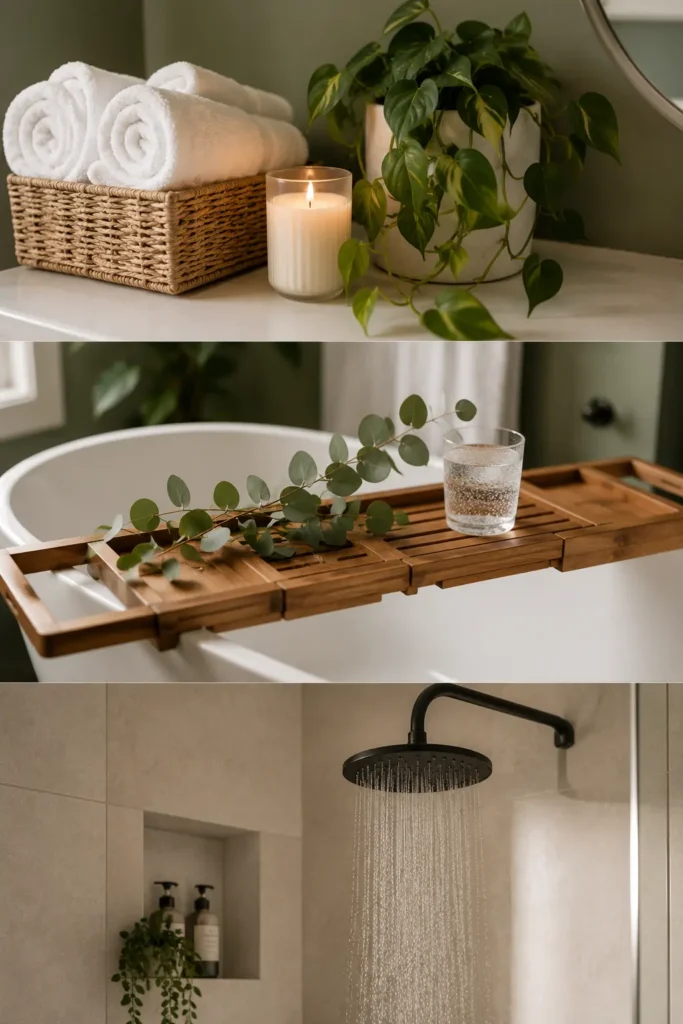
Before you start shopping for new towels or repainting the walls, it’s worth understanding what actually makes a spa feel the way it does. It’s not any single item — it’s a whole atmosphere, carefully built from several elements working together.
Relaxing, layered lighting. Harsh overhead lighting is probably the single biggest reason most bathrooms feel clinical rather than calm. Spas use warm, soft light that wraps around you without creating glare or shadows. When you replace a cold white bulb with a warm 2700K LED or add a small dimmer switch, the entire energy of the room shifts almost immediately.
A clutter-free, clean design. This one is psychological as much as aesthetic. Clutter signals chaos to the brain, even when you’re not consciously noticing it. A spa works because everything is in its place — surfaces are clear, products are stored out of sight, and there’s nothing competing for your attention. You don’t need expensive storage systems to achieve this; sometimes a few baskets and a drawer organizer are enough.
Natural textures and organic materials. Think about what most spas have in common: wood accents, stone surfaces, cotton robes, woven baskets. These materials connect us to nature in a way that genuinely calms the nervous system. Incorporating even one or two natural textures into your bathroom goes a long way toward creating that grounded, earthy feel.
Aromatherapy. Scent is one of the most underestimated elements in any room design. Research in environmental psychology consistently shows that certain aromas — lavender, eucalyptus, sandalwood — lower stress hormones and trigger relaxation responses. A simple candle or an essential oil diffuser can completely transform how your bathroom feels to walk into.
Calm, cohesive color. Color affects mood more than most people realize. Spas tend to favor neutral, nature-inspired tones — warm whites, soft grays, sage green, sandy beige — because these shades create a sense of stillness. Busy patterns and bright contrasting colors do the opposite.
Comfortable accessories. The tactile experience matters. Rough, thin towels versus thick, hotel-quality ones. A cold tile floor versus a soft bath mat underfoot. These small sensory details add up quickly.
When all of these elements come together — lighting, cleanliness, texture, scent, color, and comfort — you get that unmistakable spa feeling. And the beautiful part is that most of them are completely achievable without touching a single wall or pipe.
Affordable Ways to Create a Spa-Like Bathroom
Here are ten practical upgrades that genuinely work, arranged from easiest to slightly more involved. Each one stands on its own, but they’re even more powerful when combined.
1. Upgrade to Soft Ambient Lighting
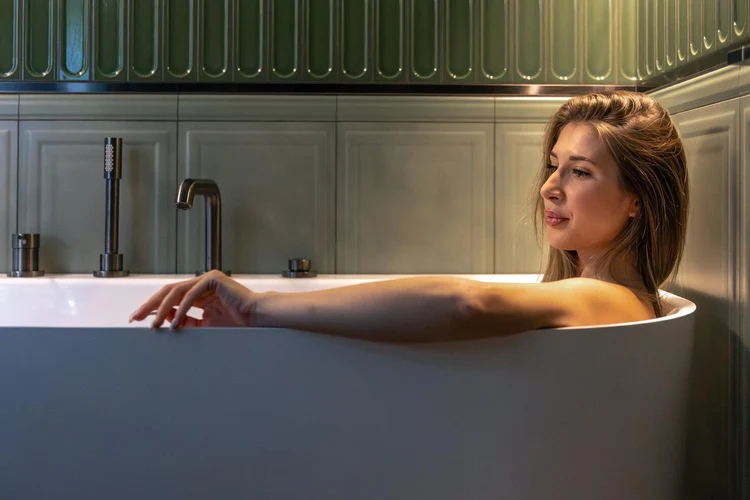
Why it works: Lighting is the single fastest way to change how a bathroom feels. Cold, fluorescent overhead lights create the harsh, clinical look of a hospital bathroom. Warm, layered ambient lighting creates the calm, cocoon-like quality of a real spa.
How to do it: Start by replacing your existing bulbs with warm white LEDs in the 2700K–3000K range. If your existing fixture allows it, install a dimmer switch — these cost between $15 and $40 and are straightforward to swap in. For extra atmosphere, consider adding a small battery-powered LED strip light behind your mirror or under a floating shelf.
Approximate budget: $15–$80 depending on whether you add a dimmer
DIY level: Very easy — a bulb swap takes five minutes
Style compatibility: Works in every bathroom style
Pros: Instantly changes the room’s atmosphere, low cost, no tools required for a basic bulb upgrade
Cons: A dimmer switch requires basic electrical knowledge or a handyman visit
Even just switching from a cool-white bulb to a warm-white one is genuinely transformative. It’s one of those changes that seems too simple to matter — until you do it and realize how much it does.
2. Add Luxury White Towels and Robes
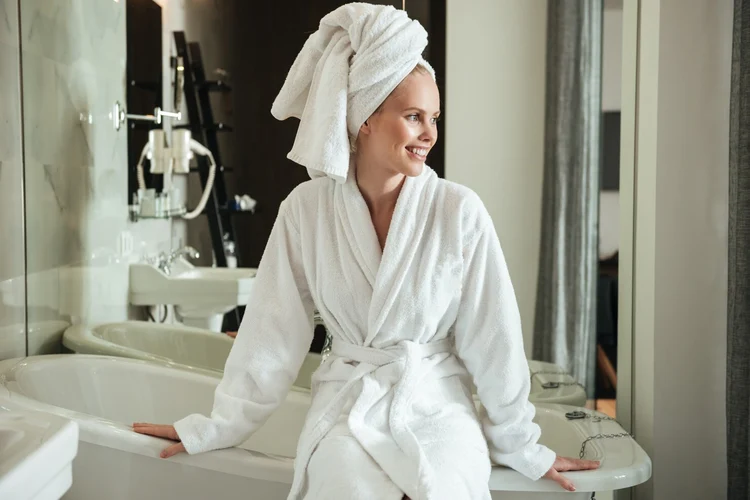
Why it works: Walk into any high-end hotel bathroom and one of the first things you notice is the quality of the towels. Thick, white, neatly folded linens immediately signal luxury and cleanliness. It’s a psychological effect, and it works just as well in your own home.
How to do it: Replace mismatched or worn towels with a set of white or stone-toned 100% Egyptian cotton or bamboo towels. Fold them neatly and display them on a towel bar or ladder rack. Even a simple hotel-style fold makes them look more intentional. If you want to go further, add a cotton waffle robe on a hook near the door.
Approximate budget: $30–$100 for a quality towel set
DIY level: No effort required
Style compatibility: Works in every style, particularly minimalist and classic
Pros: Immediately elevates the look and feel, improves the bathing experience, easy to maintain
Cons: High-quality towels need proper laundering to stay fluffy
Pro tip: Roll a few extra towels and place them in a basket on the floor or a shelf. This mimics the spa display look and adds visual warmth without any additional cost.
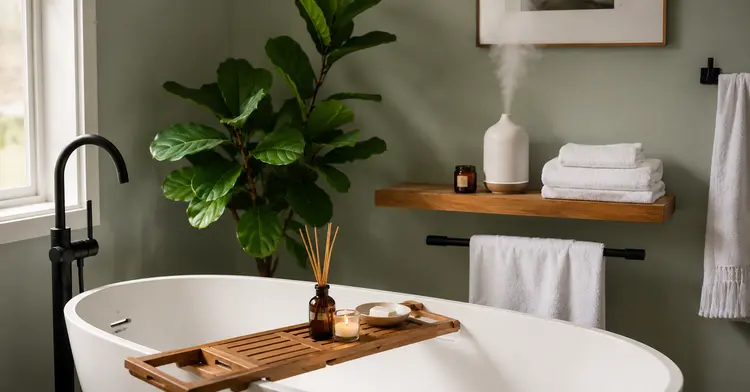
3. Use Natural Wood and Bamboo Accessories
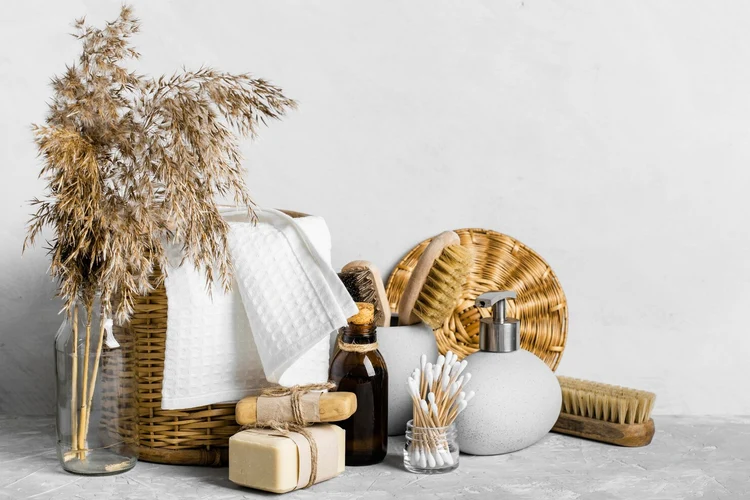
Why it works: Natural materials ground a bathroom and give it that organic warmth that synthetic materials simply can’t replicate. Bamboo and wood accessories — soap dishes, toothbrush holders, bath caddies, shelving — introduce texture and a connection to nature that’s central to spa design.
How to do it: Swap out plastic or chrome accessories for bamboo or teak versions. A bamboo bath caddie across your tub, a wooden soap dispenser on the sink, or a small teak stool in the corner are all affordable changes with a big visual impact. You don’t have to replace everything at once — even one wooden element shifts the atmosphere.
Approximate budget: $20–$80 for a small collection of accessories
DIY level: No effort — simply replace existing accessories
Style compatibility: Perfect for Japandi, minimalist, and natural/organic aesthetics
Pros: Adds genuine warmth and texture, widely available, long-lasting with proper care
Cons: Wood and bamboo need to dry properly to avoid mold in humid bathrooms
Bamboo is one of the fastest-growing sustainable materials on the planet, which makes it an excellent choice for eco-conscious bathroom upgrades as well.
4. Install a Rainfall Shower Head
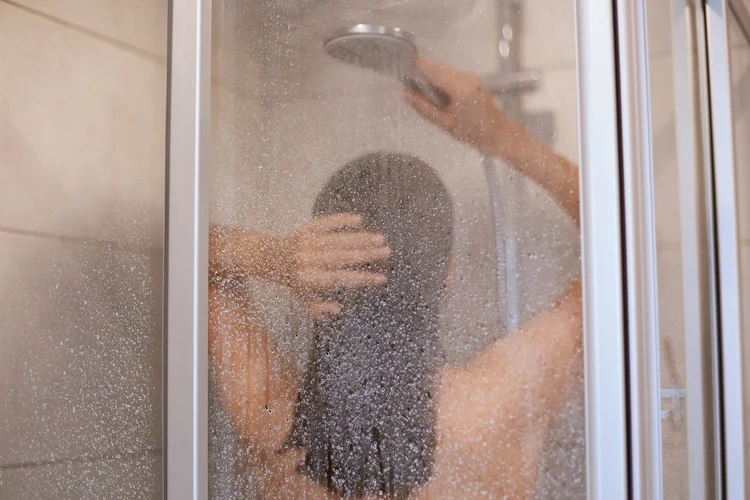
Why it works: A rainfall shower head changes the sensory experience of showering entirely. Instead of a narrow jet of water, you get a wide, gentle flow that falls over you from above — exactly the kind of shower you get at a luxury hotel or spa. It’s an affordable upgrade with a disproportionately large impact on how the bathroom feels to use every day.
How to do it: Most rainfall shower heads fit standard shower arm connections, meaning installation is often as simple as unscrewing the old head and screwing on the new one. Look for heads with at least 8–10 inches in diameter for the best overhead experience. Chrome, brushed nickel, and matte black are all popular finishes.
Approximate budget: $30–$150 depending on size and brand
DIY level: Very easy — typically no plumber required
Style compatibility: Modern, minimalist, industrial, and spa-contemporary styles
Pros: Genuinely transforms the shower experience, relatively low cost, no major plumbing required
Cons: May require adequate water pressure to work well; very large heads may need a different shower arm
This is one upgrade that almost everyone who does it immediately considers money well spent.
5. Add Scented Candles and Essential Oils
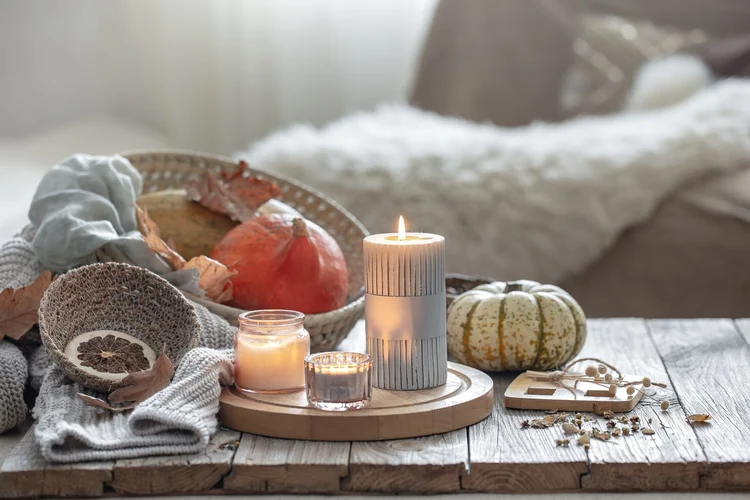
Why it works: Aromatherapy is a core part of any real spa experience. The olfactory system is directly connected to the limbic brain — the part that processes emotion and memory — which is why certain scents almost instantly trigger feelings of calm or comfort. Studies from the National Institutes of Health show that lavender, eucalyptus, and peppermint in particular have measurable effects on stress and anxiety levels.
How to do it: Place two or three scented soy candles on your bathroom shelf or by the tub. Alternatively, add an ultrasonic essential oil diffuser and experiment with different blends — lavender and cedarwood for evenings, eucalyptus and mint for mornings. Keep the scents subtle, not overwhelming.
Approximate budget: $15–$50
DIY level: Zero effort
Style compatibility: Universal
Pros: Powerful mood-altering effect, affordable, customizable
Cons: Candles require basic fire safety awareness; some people are sensitive to strong scents
Best spa-bathroom scents to start with: lavender (calming), eucalyptus (refreshing), sandalwood (grounding), and ylang-ylang (uplifting).
6. Introduce Indoor Plants
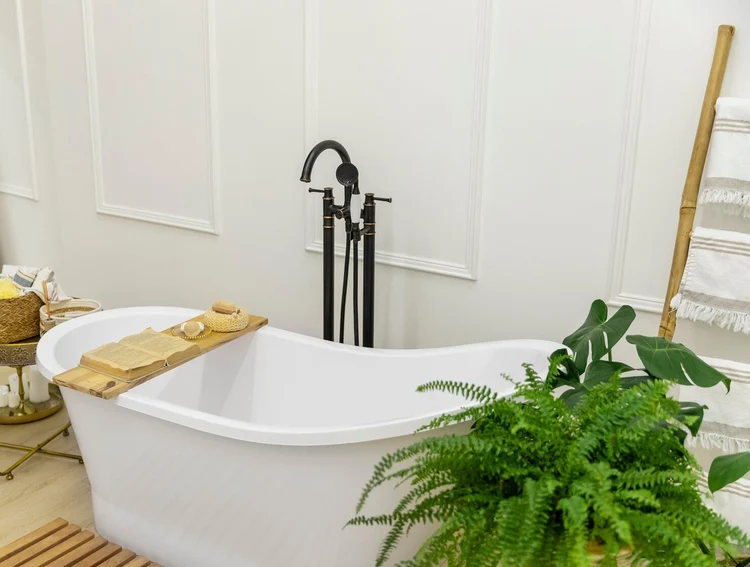
Why it works: Plants do multiple things in a bathroom simultaneously. They purify air, add a natural, living element to the space, soften hard edges, and create that connection to the outdoors that high-end spas always incorporate. Even a single plant makes a bathroom feel less sterile and more alive.
How to do it: Choose plants that genuinely thrive in low-light, high-humidity environments. The best options include pothos, peace lilies, snake plants, aloe vera, and ferns. Place them on a small shelf, on the edge of the tub, on the windowsill, or on a wall-mounted planter.
Approximate budget: $10–$40 per plant
DIY level: No effort — just water and occasional repositioning toward light
Style compatibility: Every style benefits from plants, especially natural and Japandi aesthetics
Pros: Air purification, visual warmth, living texture, mental health benefits
Cons: Requires maintenance; some plants won’t survive in very low-light bathrooms without a grow light
According to NASA’s Clean Air Study, plants like peace lilies and snake plants can remove common indoor air pollutants including formaldehyde and benzene — a genuine wellness benefit, not just a decorative one.
7. Upgrade Bathroom Storage and Organization
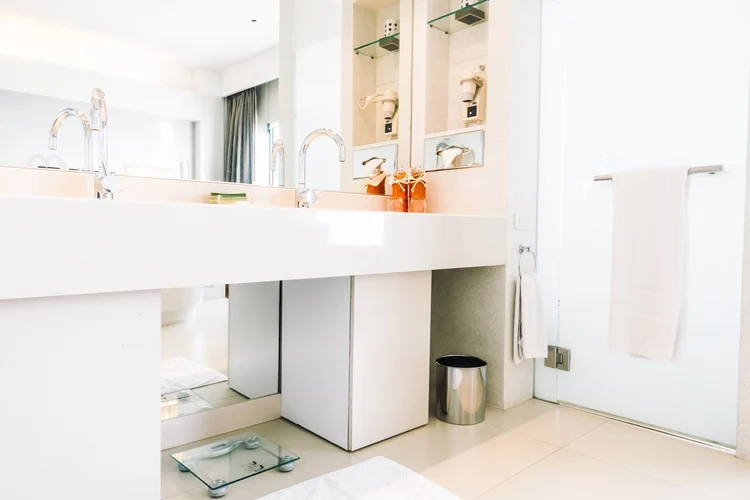
Why it works: Clutter is the fastest way to destroy a spa atmosphere. When countertops are covered in products, when towels are piled instead of folded, when the cabinet under the sink is a chaos of bottles and forgotten items — the brain can’t relax. Decluttering and organizing your bathroom storage costs very little but creates enormous visual calm.
How to do it: Start by removing everything from your countertops except two or three essential items. Use baskets, drawer organizers, and labeled bins inside cabinets and under the sink. Add a floating shelf for display items like a plant or a candle. Consider a tiered tray on the counter to keep remaining items organized and intentional-looking.
Approximate budget: $20–$80 for organizers and storage additions
DIY level: Easy — a weekend project
Style compatibility: Universal — especially minimalist and Scandinavian styles
Pros: Dramatic visual improvement, free to declutter, improves daily functionality
Cons: Requires commitment to maintain; you may need to rehome products you rarely use
A good rule of thumb from interior designers: if it doesn’t belong on a spa counter, it shouldn’t be on yours.
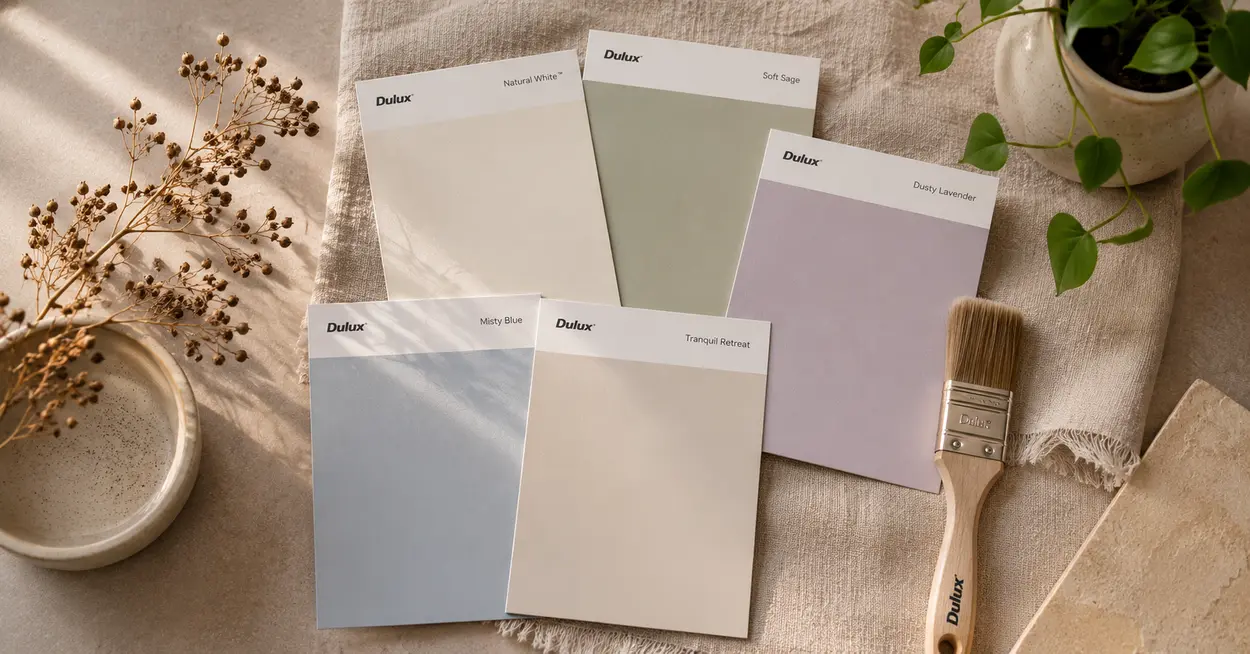
8. Use Neutral Spa-Inspired Color Palettes
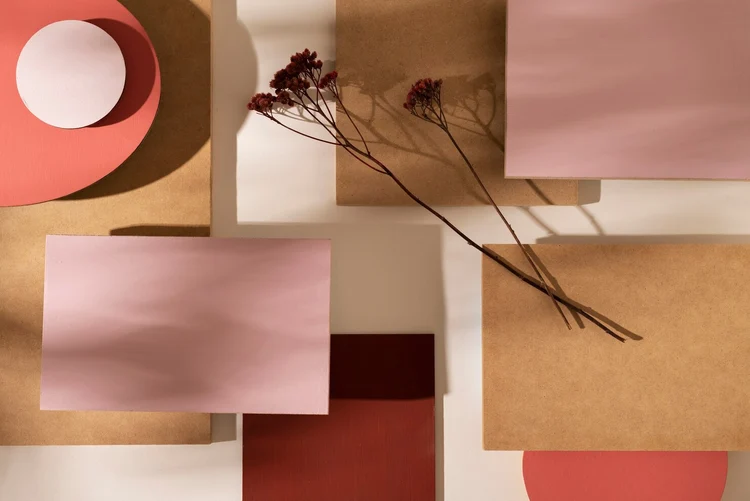
Why it works: Color has a direct effect on how a space feels emotionally. Soft, muted, nature-inspired tones communicate rest and stillness to the brain. This is why virtually every successful spa uses some version of white, beige, gray, sage, or warm stone as its base palette.
How to do it: If you’re able to paint, switching to a spa-inspired color is one of the highest-impact changes you can make. Warm white, soft gray, dusty sage green, and sandy beige are all excellent choices. If painting isn’t an option, bring in the color through towels, accessories, a bath mat, and other textiles — these have almost as much impact as the wall color.
Approximate budget: $30–$120 for a gallon of quality paint
DIY level: Moderate — painting is a DIY-friendly weekend project
Style compatibility: Minimalist, Japandi, coastal, organic modern
Pros: Significant visual transformation, long-lasting, improves resale value
Cons: Requires some preparation work; renters may not be able to paint
Top spa bathroom colors for 2026: warm white, greige (gray-beige), sage green, muted terracotta, and dusty olive.
9. Add Soft Bath Mats and Textures
Why it works: The way a bathroom feels underfoot matters more than most people give it credit for. Stepping from a cold tile floor onto a thick, soft bath mat is a genuinely luxurious sensory experience. Layering textures — a plush mat, a waffle-weave towel, a linen shower curtain — adds visual warmth and tactile comfort simultaneously.
How to do it: Replace thin, flat bath mats with a thick, high-pile option in a neutral color. Add a second smaller mat near the sink if you have space. Look for natural fiber materials like organic cotton, bamboo blend, or stone-washable linen for both comfort and durability.
Approximate budget: $25–$70 for a quality bath mat
DIY level: No effort
Style compatibility: Every style benefits from soft, quality textiles
Pros: Immediate comfort improvement, available at every price point, easy to wash and replace
Cons: High-pile mats can hold moisture; need regular washing to stay fresh
10. Replace Old Hardware and Fixtures
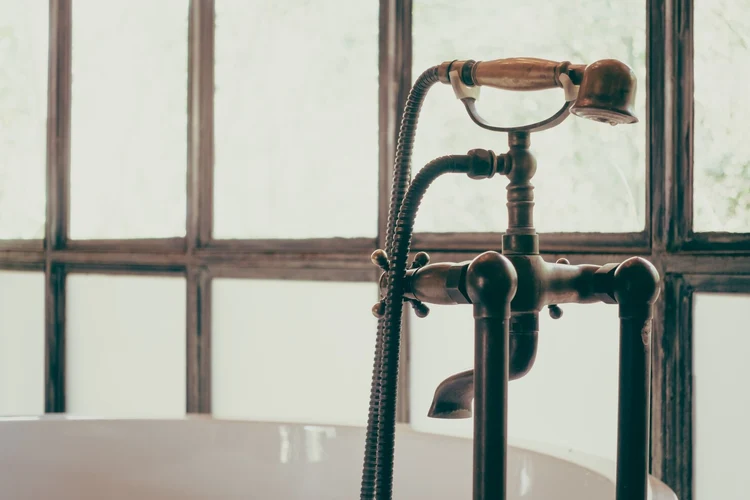
Why it works: Old, corroded, or mismatched hardware — towel bars, faucet handles, cabinet knobs, toilet paper holders — immediately dates a bathroom. Replacing them with cohesive modern fixtures in brushed gold, matte black, or brushed nickel gives the room a polished, intentional look without touching plumbing or tiles.
How to do it: Choose a single finish and replace all hardware in the bathroom at once. This creates visual cohesion that makes the whole room look more designed. Most hardware replacement is screwdriver-level DIY.
Approximate budget: $50–$200 for a full hardware set
DIY level: Easy — typically just a screwdriver required
Style compatibility: Modern, contemporary, Japandi, industrial
Pros: Major visual refresh, relatively affordable, no plumbing required
Cons: Requires drilling for some replacements; matching existing hole spacing matters
Best Color Schemes for a Spa-Like Bathroom
Color is the invisible architecture of any room. Change the color and you change the entire emotional experience — even if nothing else moves. Here’s a practical breakdown of the palettes that consistently work best in spa-inspired bathrooms.
White and warm beige is the most classic spa combination and for good reason. These shades reflect light beautifully, make small spaces feel larger, and work with virtually every material and fixture. The key is to choose a white with warm undertones rather than stark, cool white — the latter reads as clinical rather than calm.
Soft gray tones became dominant in interior design for a decade, and they remain excellent for bathrooms because they’re genuinely neutral — they work with wood, stone, chrome, and matte black alike. Choose a gray with warm rather than blue undertones for a more welcoming feel.
Sage green has become the defining spa color of the current decade. It references nature without being too earthy, pairs beautifully with wood accents and linen textiles, and creates a genuinely calming, slightly botanical atmosphere. Interior design data from Houzz consistently shows sage green among the most popular bathroom colors in current remodels.
Earthy neutrals — sandy taupe, warm terracotta, dusty mushroom — bring a grounded, organic quality to bathrooms. These tones work particularly well when paired with stone textures and raw wood accents.
Minimalist black accents used sparingly — a matte black faucet, a black towel bar — add definition and modernity to any neutral palette without disrupting the calm.
Warm wood combinations aren’t a single color but a relationship between pale or natural wood tones and a soft neutral backdrop. The wood introduces warmth and texture while the neutral keeps things clean.
The most important rule when choosing a spa bathroom palette: commit to three colors maximum. One dominant (wall or large surface), one secondary (textiles and accessories), one accent (hardware or a single bold element). More than three and the room starts to feel busy.
Best Materials and Textures for Spa Bathroom Styling
Materials are what give a space its personality at close range. You can have the perfect color palette and lighting, but if your bathroom is full of shiny plastic and chrome, it will never quite feel like a spa. Here’s a breakdown of the materials that create the most genuine sense of luxury and calm.
Bamboo is genuinely one of the best materials for a spa bathroom. It’s lightweight, naturally antibacterial, warm in tone, and sustainable. Bamboo accessories, shelving, and even bamboo-blend towels all add that organic, natural feeling that defines spa spaces.
Wood accents — whether teak bath caddies, oak floating shelves, or walnut-stained vanities — bring warmth and texture that no synthetic material can replicate. For wet areas like the shower or bath surround, teak is the most water-resistant option and is used in high-end spas worldwide.
Stone textures — limestone, travertine, slate — add a grounded, tactile quality that feels genuinely luxurious. You don’t need to retile your bathroom in natural stone to get this effect; a stone soap dish, a pebble bath mat, or stone-textured wallpaper in a small accent area all introduce this quality affordably.
Cotton and linen fabrics are central to the sensory experience of a spa. Thick cotton towels, linen shower curtains, waffle-weave face cloths — these soft, natural textiles add comfort and visual warmth. Linen shower curtains in particular are having a major moment in spa-inspired bathroom design because of their relaxed, soft drape.
Matte finishes across fixtures, tiles, and hardware create a much quieter, more sophisticated look than high-gloss or shiny surfaces. Matte tiles don’t show water spots, matte black or brushed gold fixtures photograph beautifully and age gracefully. If you’re replacing any hardware, choosing a matte finish is an easy way to elevate the overall look.
Glass accessories — clear soap dispensers, glass canisters for cotton pads or bath salts — add a clean, edited quality. They let you display beautiful objects without visual clutter. Decant your shampoos and body wash into clear glass or frosted amber bottles and your shower immediately looks like a spa product shelf.
Small Bathroom Spa Ideas
Having a small bathroom doesn’t mean giving up on the spa atmosphere — it just means being more strategic. In fact, many of the world’s most celebrated boutique spas have intimate, compact spaces. The key is maximizing what you have.
Mirrors are your best friend. A large mirror, or a set of mirrors, visually doubles the size of a small bathroom and reflects light around the room. A backlit LED mirror specifically adds both light and a floating, modern quality that makes small bathrooms feel designed rather than cramped.
Floating shelves over the toilet are one of the most effective uses of dead vertical space in a small bathroom. Use them to display folded towels, a plant, a candle, and a small organizer — everything you need to have accessible without cluttering the counter.
Go vertical with storage. Tall, narrow storage units, over-door organizers, and wall-mounted baskets all use wall space rather than floor space, keeping the floor visually clear. A clear floor reads as a larger room.
Choose a single focal point. In a small bathroom, trying to have several decorative elements usually results in visual chaos. Pick one thing — a beautiful mirror, a trailing plant, a striking bath mat — and let everything else recede.
Use a monochromatic color scheme. When walls, floor, and fixtures are all in the same color family, the eye moves across the room without stopping, which creates a sense of continuous, larger space. Light monochromatic schemes work particularly well.
Swap your shower curtain. A clear or semi-sheer shower curtain keeps the visual flow of a small bathroom uninterrupted. Heavy, dark curtains create a visual barrier that makes small spaces feel smaller.
Compact luxury upgrades — a small diffuser, a single beautiful plant on the sink ledge, a matching set of glass dispensers — have exactly the same impact in a small bathroom as they do in a large one. In fact, in a small space, these details are even more noticeable.
Common Mistakes That Ruin a Spa Bathroom Look
It’s worth knowing what to avoid as much as what to include, because some well-intentioned choices can actively work against the spa atmosphere you’re trying to create.
Too many decorative items. The impulse to add more — more candles, more plants, more accessories — is understandable, but it’s the most common way people accidentally undermine the spa look. Spas are curated and minimal. One beautiful element is better than five competing ones.
Harsh, bright overhead lighting. This one is the most damaging to the atmosphere. A single bright LED overhead creates flat, unflattering light that makes every surface look clinical. If you can only make one change, change the lighting.
Cluttered countertops. Leaving everyday products — toothpaste, razors, skincare bottles — out on the counter breaks the visual calm immediately. Store them in a drawer or cabinet and bring them out when needed. Your countertops should have as little as possible on them.
Cheap, mismatched accessories. A spa look doesn’t require expensive items, but it does require cohesive ones. Mixing five different material finishes — chrome, gold, rose gold, plastic, and wood — makes the space feel unedited and accidental. Choose two finishes and stick with them throughout the room.
Bright or highly saturated wall colors. Certain shades are genuinely incompatible with a spa atmosphere. Red, bright yellow, neon, or very dark jewel tones create energy and drama rather than calm. These have their place in other rooms, but not if your goal is a relaxing sanctuary.
Poor towel organization. Towels piled on a bar or shoved into a cabinet make even beautiful bathrooms look lived-in in the wrong way. Take five minutes to fold and roll your towels consistently. The visual impact is surprising.
Spa Bathroom Trends in 2026
The shift happening in bathroom design right now is genuinely exciting. According to coverage from the 2026 KBB Exhibition at the NEC Birmingham — one of the UK’s premier trade events for kitchen, bedroom, and bathroom design — the era of the purely functional bathroom is over. What’s replacing it is something designers are calling the “Spathroom”: a fully integrated wellness environment designed for mental and physiological restoration.
Here’s what’s leading the conversation in 2026:
Wellness-focused design as a baseline, not an upgrade. As industry experts from Kitchen & Bath Design News noted, wellness products are no longer add-ons — the entire design of the bathroom is now centering around them. Features like deep soaking tubs, layered shower systems, and aromatherapy integration are being specified as standard in upper-tier designs.
Japandi-inspired styling — the hybrid of Japanese minimalism and Scandinavian warmth — continues to dominate. The aesthetic is characterized by natural wood tones, neutral palettes, extreme restraint in decoration, and a focus on quality over quantity. It’s deeply compatible with spa design.
Sustainable and natural materials are more important than ever. Bed Threads’ 2026 bathroom trend report highlights microcement — an ultra-thin cement coating that can be applied directly over existing tiles — as one of the biggest trends for people who want the look of polished concrete without a full renovation. Recycled stone, waterproof wood composites, and eco-certified fixtures are all gaining ground.
Smart bathroom technology is becoming more accessible. Bio-adaptive lighting that shifts from cool energizing tones in the morning to warm, calming tones in the evening. Diffusers with app-controlled scent schedules. Mirror defoggers integrated into LED mirrors. These features are filtering down from luxury properties into everyday homes.
Textured surfaces — fluted limestone, ribbed ceramics, microcement walls — are replacing the smooth, glossy look that dominated the past decade. These surfaces add softness, tactile warmth, and a handcrafted feel that resonates deeply with the spa aesthetic.
Nature as a design priority. Plants, organic shapes, natural light, and materials that reference the outdoor world are central to 2026 bathroom design. The connection to nature isn’t decorative anymore — it’s intentional and wellness-driven.
Budget vs Luxury Spa Bathroom Upgrades
Not everyone has the same budget, and that’s completely fine. The spa bathroom concept scales beautifully from completely affordable to genuinely luxurious. Here’s a practical comparison to help you decide where to put your money.
Budget-Friendly Changes Under $100
| Upgrade | Estimated Cost | Impact |
|---|---|---|
| Warm white LED bulbs | $10–$20 | High |
| Quality white towel set | $30–$50 | High |
| Bamboo accessories kit | $20–$40 | Medium-High |
| Scented candles or diffuser | $15–$30 | High |
| Bath mat upgrade | $25–$40 | Medium |
| Indoor plant (pothos, fern) | $10–$20 | Medium |
Where budget wins: Lighting, candles, towels, and plants give you the most spa-atmosphere return for the least money. Start here.
Mid-Range Upgrades: $100–$400
| Upgrade | Estimated Cost | Impact |
|---|---|---|
| Rainfall shower head | $60–$150 | Very High |
| Hardware set replacement | $80–$200 | High |
| Floating shelves with installation | $50–$150 | Medium-High |
| Paint (wall color change) | $60–$130 | Very High |
| LED backlit mirror | $80–$200 | Very High |
Where mid-range wins: The rainfall shower head and a new paint color are the two upgrades with the highest impact-to-cost ratio in this range.
Luxury Additions: $400+
| Upgrade | Estimated Cost | Impact |
|---|---|---|
| Freestanding soaking tub | $500–$2,000+ | Very High |
| Towel warmer | $150–$500 | Medium-High |
| Smart lighting system | $200–$800 | High |
| Steam shower conversion | $1,000–$5,000 | Very High |
| Full tile accent wall | $500–$2,000 | High |
Where premium upgrades matter most: If you’re going to spend more, spend it on the shower experience (rainfall head, steam option) or a statement bathtub. These have the biggest daily impact on how the bathroom actually feels to use.
Designer’s Favorite Spa Upgrade: If most designers had to pick one single upgrade, it would be a quality rainfall shower head combined with a warm LED bulb and a decluttered counter. These three things together cost under $150 and transform the experience completely.
Spa Bathroom Checklist
Use this before-and-after checklist to track your upgrades:
Lighting
- Replaced cool bulbs with warm 2700K–3000K LEDs
- Added dimmer switch or lamp for ambiance
- Installed backlit or LED mirror
Comfort
- Upgraded to hotel-quality white towels
- Added thick, soft bath mat
- Added cotton robe or hook near the door
Aromatherapy & Atmosphere
- Added scented candles or essential oil diffuser
- Chosen 1–2 consistent signature scents
- Added indoor plant (pothos, snake plant, or fern)
Organization
- Cleared all countertop clutter
- Added baskets, drawer organizers, or floating shelves
- Decanted products into matching dispensers
Materials & Accessories
- Added bamboo or wood accessories
- Replaced mismatched hardware with cohesive finish
- Updated shower curtain to linen or neutral fabric
Color & Design
- Chosen calming color palette (or added spa colors via textiles)
- Limited decorative items to 3–4 maximum
- Created single visual focal point
Frequently Asked Questions
1. How can I make my bathroom feel like a spa?
Start with three things: replace your bulbs with warm LEDs, declutter your countertops completely, and upgrade to quality white towels. These three changes alone dramatically shift the atmosphere. From there, add a plant, a scented candle, and soft textures to build the spa feeling layer by layer.
2. Do spa-like bathrooms require expensive renovations?
Not at all. The most impactful spa bathroom upgrades — lighting, towels, aromatherapy, plants, organization — cost well under $200 combined. A rainfall shower head is the one “installation” most people choose to make, and even that typically costs under $100 and requires no plumber.
3. What colors make a bathroom feel relaxing?
Warm white, soft gray, sage green, sandy beige, and warm greige (gray-beige) are the most reliably calming choices. These colors reflect light gently and create a sense of stillness. Avoid cool whites, bright colors, and high-saturation tones if your goal is a spa-like atmosphere.
4. Which plants work best in bathrooms?
Pothos, peace lilies, ferns, snake plants, and aloe vera all do well in the high-humidity, often low-light environment of a bathroom. Peace lilies and snake plants additionally purify indoor air, which is a genuine wellness benefit.
5. Are rainfall shower heads worth it?
Almost unanimously, yes. This is consistently one of the most reviewed and recommended bathroom upgrades because it changes the sensory experience of showering — not just the look of the shower. Most rainfall heads fit standard connections and require no plumber.
6. How do I make a small bathroom look luxurious?
Use a large mirror to reflect light and visually expand the space. Keep the floor as clear as possible by using vertical storage and floating shelves. Choose a light, monochromatic color scheme. Pick one beautiful focal point and keep everything else restrained. A diffuser and a single trailing plant do enormous work in a small space.
7. What scents are best for spa bathrooms?
Lavender for relaxation and sleep, eucalyptus for an invigorating, fresh-air quality, sandalwood for grounding warmth, and cedarwood for a forest-spa feeling. Ylang-ylang and bergamot are also popular for their mood-lifting properties.
8. Which lighting works best for a relaxing bathroom?
Warm LED lighting in the 2700K–3000K range is the standard recommendation for spa bathrooms. Pair it with a dimmer switch so you can adjust intensity for morning versus evening. A backlit LED mirror provides even, flattering light at face level, which both improves your daily routine and adds to the spa atmosphere.
Conclusion
Transforming your bathroom into a calming spa-like retreat is one of those rare home projects where the impact far outweighs the investment — in time, money, or disruption. You don’t need to demolish tiles, hire a contractor, or spend months living in renovation chaos. You need thoughtful choices, layered gradually over time.
Start with what costs almost nothing: a warmer light bulb, cleared countertops, a properly folded set of towels. Notice how the room feels different. Then add a plant, a candle, a bamboo soap dish. Build the atmosphere piece by piece, and you’ll find that by the time you’ve spent a few hundred dollars over a few months, you’ve genuinely created a space that feels like an entirely different room.
The most important thing is to focus on how the bathroom feels to be in, not just how it looks in photographs. Spa design is fundamentally about the senses — warmth underfoot, soft light, clean scent, quiet order. Those things are available to every budget and every bathroom size.
Your home should support your wellbeing. Your bathroom, as one of the few truly private spaces in it, has more potential to do that than most rooms. Give it the attention it deserves — and enjoy the ritual of stepping into your own personal sanctuary every single day.
For more home wellness and lifestyle design ideas, explore our related articles at Beliefit.