
Top 10 Trends in New Home Construction for 2025: Maximize Space & Add Flair

Building a new home in 2025 isn’t just about four walls and a roof—it’s about crafting a sanctuary that adapts to your life. Whether you’re battling tight budgets, cramped layouts, or the pressure to “go green,” today’s trends solve real problems. Let’s dive into the innovations that’ll make your future home functional, stylish, and uniquely yours.
1. Modular & Prefab Homes: Affordable, Fast, and Customizable
Gone are the days when prefab meant bland, boxy designs. In 2025, modular homes are stealing the spotlight, offering up to 30% cost savings and 50% faster build times. Imagine a home where factory precision meets your personal style—think vaulted ceilings, smart home wiring baked into walls, and finishes rivaling custom builds. For young families and downsizers, this trend tackles the #1 pain point: balancing budget with individuality.
2. Smart Kitchens: Where Tech Meets Tactile Design
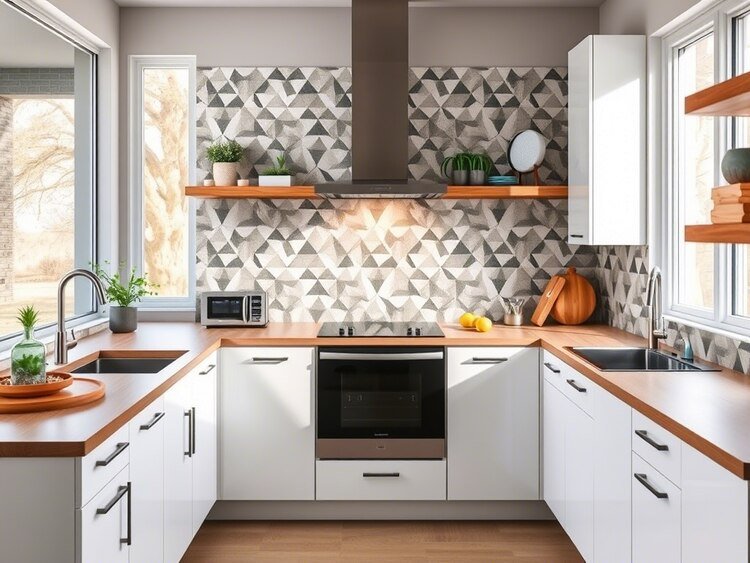
Your kitchen isn’t just for cooking anymore. Picture voice-activated faucets, countertops with wireless charging zones, and cabinets that light up as you approach. But here’s the kicker: 2025 kitchens are warmer. Think reclaimed wood shelving paired with matte black smart appliances. And don’t forget the simple tile project—a bold geometric backsplash adds flair without breaking the bank.
3. Multi-Functional Spaces: Walls That Work Harder
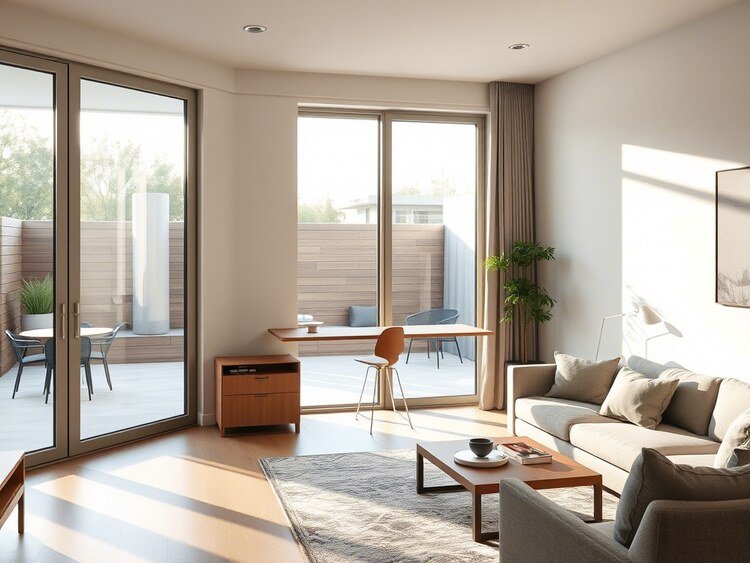
With remote work here to stay, homeowners crave flexibility. A guest room that moonlights as a home office? Check. Staircase drawers for hidden storage? Absolutely. The key is modular furniture (think fold-down desks) and sliding walls. No more sacrificing style for function—built-in bookshelves double as room dividers, proving practicality can be pretty.
4. Sustainable Materials: Beyond Solar Panels
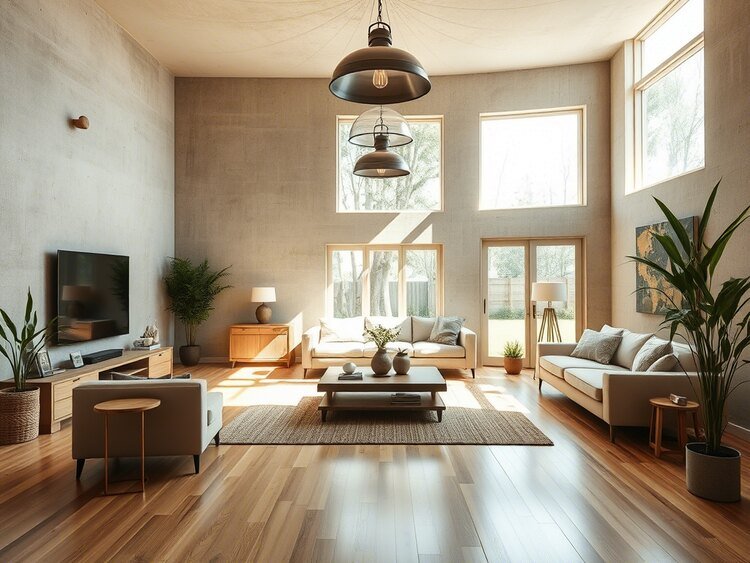
Eco-friendly isn’t just a buzzword—it’s a necessity. Hempcrete insulation, bamboo flooring, and recycled steel frames are rising stars. But sustainability also means durability. For instance, polished concrete floors last decades and slash heating costs. Bonus: These materials often come with tax incentives, making “going green” kinder to your wallet.
5. Outdoor Living Rooms: Blurring the Indoor-Outdoor Line
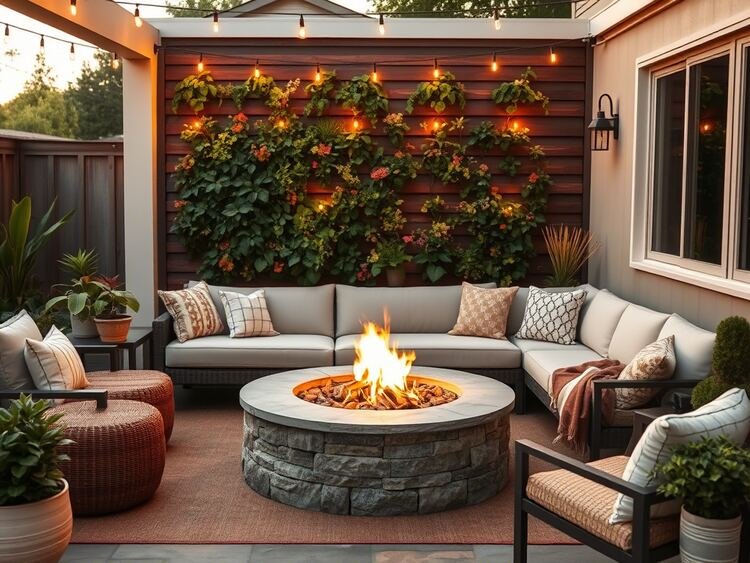
2025 homes erase the boundary between inside and out. Covered patios with weather-resistant sectionals, outdoor kitchens with pizza ovens, and even heated floors for year-round use. For urban dwellers, vertical gardens on balconies maximize greenery without square footage. It’s all about creating a retreat where you’ll actually unwind.
6. Biophilic Design: Nature as Your Roommate
Stressful day? Your home’s got your back. Biophilic design floods spaces with natural light, indoor water features, and organic textures like stone or rattan. Large windows frame garden views, while moss walls purify air. This trend isn’t just pretty—studies show it boosts mental health, a huge sell for burnout-prone buyers.
7. Aging-in-Place Features: Stylish & Safe
With millennials caring for aging parents and Gen X planning ahead, universal design is huge. Think curbless showers with chic tile, lever handles (goodbye, knobs!), and main-floor primary suites. These features are seamlessly integrated—no clinical vibes here. It’s about creating homes that adapt to life’s changes, whether you’re 30 or 70.
8. Energy Efficiency: Hidden Upgrades That Save Thousands
New homes in 2025 are energy ninjas. Triple-pane windows, geothermal heating, and heat pump dryers cut bills by 40%+. Smart meters give real-time usage data, so you’re never blindsided by costs. Pro tip: Pair these with federal rebates to offset upfront expenses.
9. Bold Minimalism: Less Clutter, More Personality
Minimalism 2.0 isn’t sterile—it’s curated. Think a single accent wall in moody navy, paired with clean-lined furniture. Open shelving displays heirloom dishes, while hidden storage tucks away mess. The mantra: “Everything has a purpose, but nothing feels cold.”
10. Hyper-Personalization: Your Home, Your Story
Cookie-cutter is out. 2025 homes celebrate quirks—like a reading nook under the stairs or a garage-turned-pottery studio. With 3D design apps, you can visualize layouts before breaking ground. Even production builders now offer à la carte options, so your home reflects you, not a catalog.
Key Points to Remember
- Modular homes save time/money without sacrificing style.
- A kitchen tile backsplash is an easy, high-impact upgrade.
- Multi-functional spaces are essential for modern living.
- Sustainability = long-term savings + tax perks.
- Outdoor areas are now true extensions of your home.
FAQ
Q: Are modular homes as durable as traditional builds?
A: Yes! They’re built to withstand transportation, making them often sturdier.
Q: What’s the easiest sustainable upgrade?
A: Low-VOC paint—better air quality and zero fumes.
Q: Can I add smart tech to an older home?
A: Absolutely! Retrofitting with smart bulbs or plugs is affordable and renter-friendly.
Disclaimer: Costs and availability of materials/tech may vary by region. Consult local builders for accurate quotes.


